
Fiber quotes go wrong in a predictable way. The cable is priced, the run is measured, and the order arrives missing the six other things a working link needs. This is the full list, in the order light travels through it.
The chain
OFC cable → pigtail → fusion splice → LIU enclosure → adapter → patch cord → transceiver
1. OFC cable
The run itself. Decide mode first (single-mode or multimode), then jacket: indoor for tray and riser routes, armoured for anything buried, outdoors or exposed to rodents. Fiber count should exceed what you need today — pulling a second cable later costs far more than adding cores now.
2. Pigtails
A short length of fiber with a factory-terminated connector at one end and bare fiber at the other. One per core you intend to use. The connector type here sets the type for the whole link.
3. Fusion splice
The pigtail is fused to the incoming cable core with a splice machine, then laid into a tray. This is skilled work with an expensive tool, and it is where a fiber job either becomes reliable or becomes a recurring fault.
4. LIU enclosure
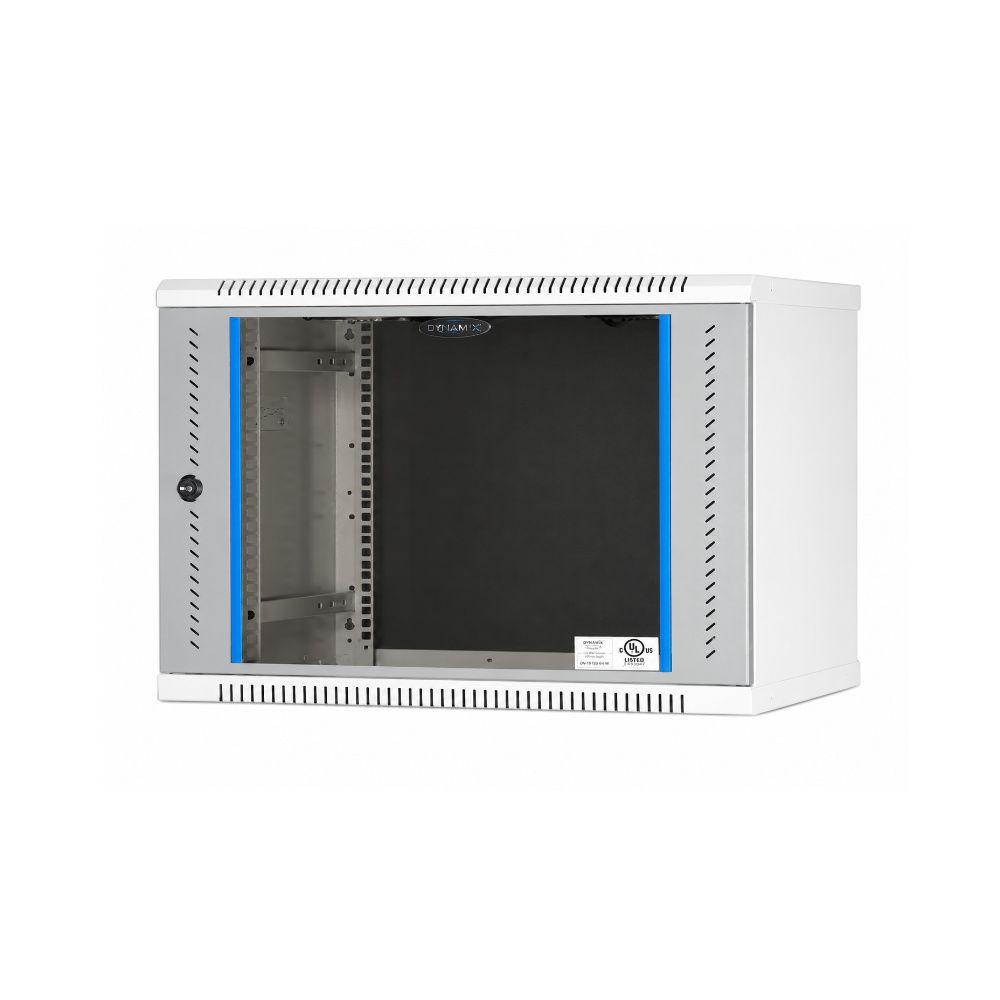
The Light Interface Unit is where the cable stops being cable and becomes something patchable. It holds the splice trays, protects the joints, and presents connectors on its face. Wall-mount for a building entry, rack-mount where a rack exists. Size the ports to the fiber count with spares.
5. Adapters and couplers
The bulkhead in the LIU face. The pigtail plugs in behind, the patch cord in front. Type and polish must match both.
6. Patch cords
LIU to switch at each end. Mode, connector and polish all have to match what they join. Buy the length needed — coiled fiber behind a rack is a bend-radius problem, not just untidiness.
7. Transceiver
This is the stage left off most quotes. An SFP or SFP+ module in each switch converts electrical to optical. It must match the switch model, the fiber mode, the wavelength and the distance. A link with everything else perfect and no transceiver is dark, and a mismatched transceiver is the commonest reason a new link never comes up.
Two more that belong on the list
- Splice trays and sleeves — consumables per splice, ordered with spares
- Testing — a power meter as a minimum; OTDR on any backbone worth certifying. Without it you have a link that works today and no evidence of why, when it stops
A worked example
A 12-core single-mode run between two blocks, using 4 cores now:
- 12-core armoured single-mode OFC, route length plus 10 per cent
- 8 LC pigtails (4 cores, both ends)
- 8 fusion splices, plus sleeves and 2 splice trays
- 2 rack-mount LIUs, 12-port
- 8 LC adapters
- 4 LC-LC patch cords, single-mode
- 4 SFP modules matched to the switches
- Power meter test at both ends, OTDR trace filed
Send us the route length, the switch models at each end and how many cores you want live, and we will quote the whole chain rather than the cable — fiber and OFC supply, or see LC-LC and SC-SC cords.