
Fiber Optic Cable & OFC Supplier — Chennai
From SC-SC and LC-LC fiber optic patch cords to LIU (fiber patch panel) boxes and fiber accessories, Star Networking Services supports end-to-end OFC (optical fiber cable) projects across Chennai.
Single-mode or multimode
This is the first decision on any fiber project and it governs everything that follows — the cable, the patch cords, the transceivers and the cost.
Multimode has a wider core, typically 50 or 62.5 microns, and uses lower-cost optics. It suits links inside a building or across a compact campus. Single-mode has a 9 micron core and carries signal far further, which is why it is used between buildings and for anything approaching carrier distances.
The two cannot be mixed in a link. Patch cords, transceivers and the cable itself all have to be the same mode, and connecting single-mode optics to multimode fiber produces a link that either fails outright or degrades unpredictably.
- OM1 — 62.5 micron, legacy installations, limited 10G reach
- OM3 — 50 micron laser-optimised, 10G to around 300 m
- OM4 — 50 micron, 10G to around 400 m, common in newer backbones
- OS1 / OS2 single-mode — 9 micron, kilometres rather than metres
Connector types — LC, SC and where each is used
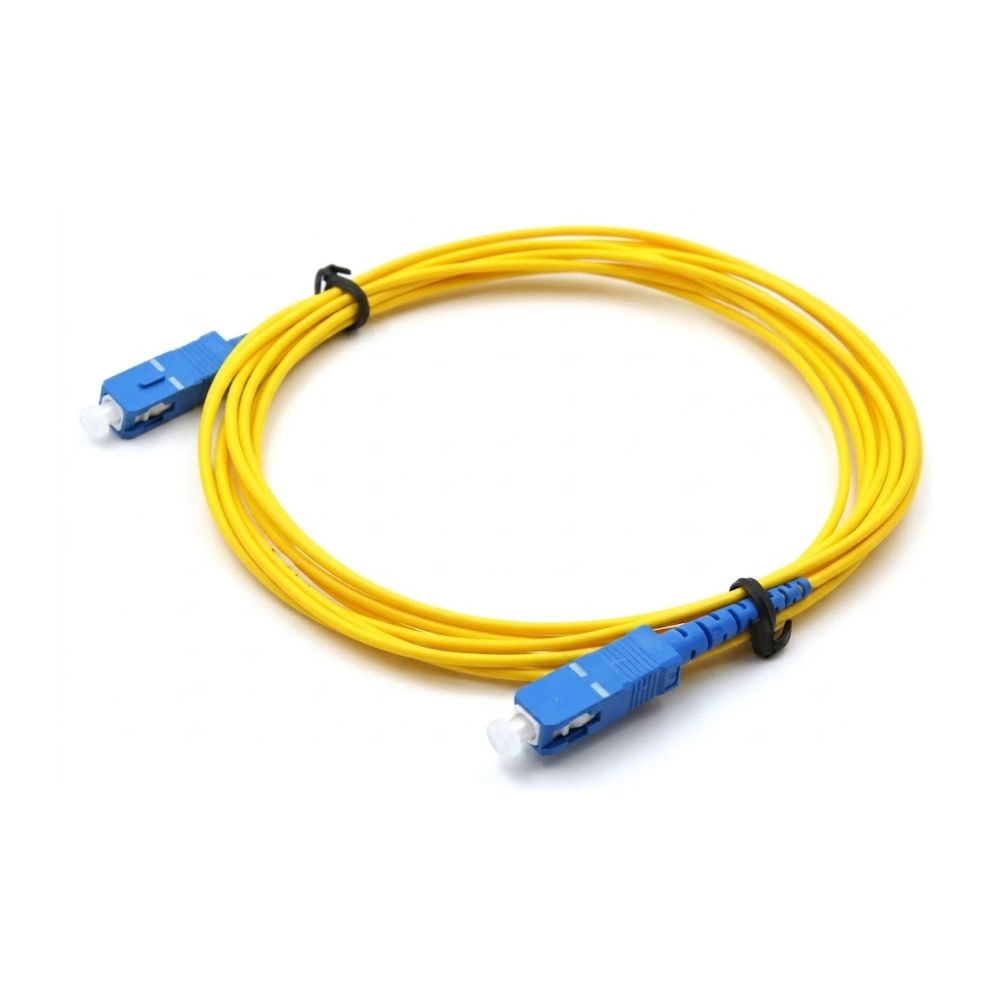
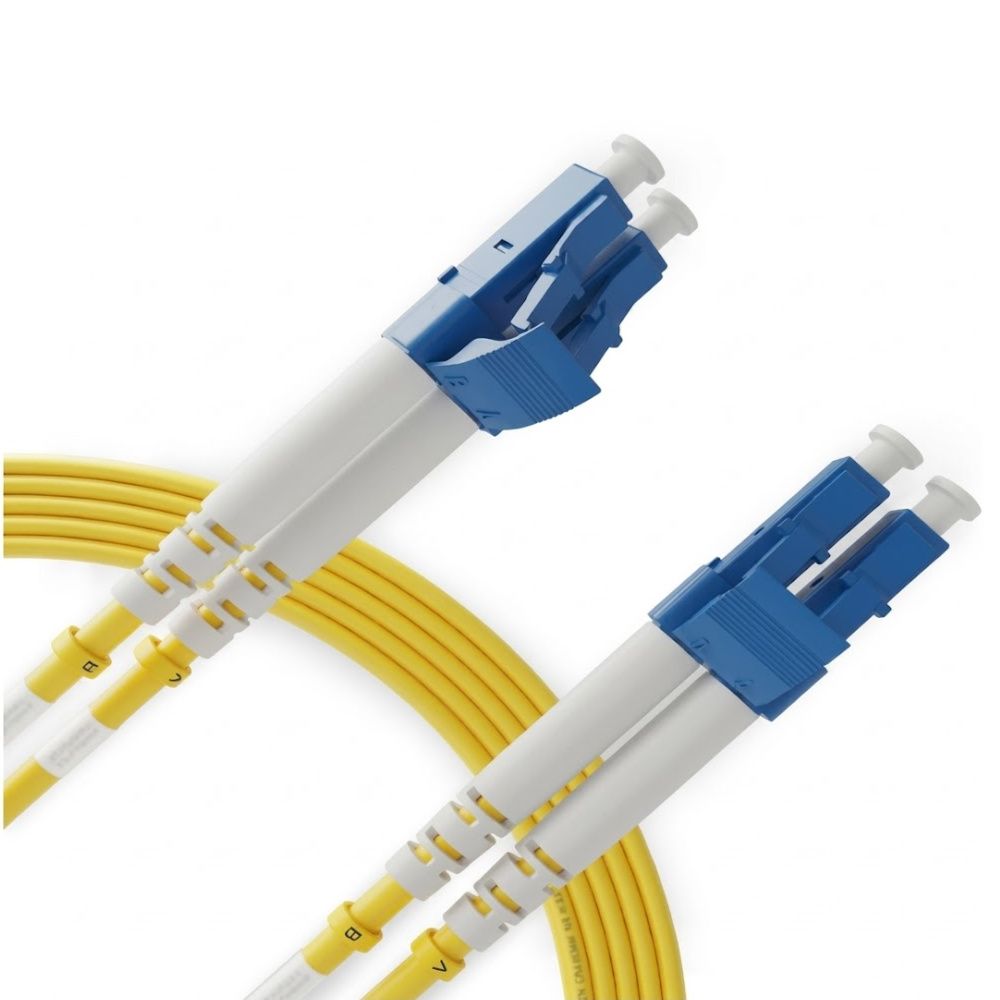
SC connectors are the larger push-pull type, long established and still common on LIU panels and older equipment. LC connectors are roughly half the size, which is why modern switch optics and high-density patch panels use them — you fit twice as many ports in the same panel width.
Patch cords are specified by the connector at each end, so an LC-to-LC cord joins two LC ports and an SC-to-SC cord joins two SC ports. Hybrid LC-to-SC cords exist for connecting newer equipment to older panels.
Duplex cords carry a transmit and a receive fiber together, which is what almost all Ethernet links need.
LIU and fiber termination
An LIU — light interface unit, also called a fiber patch panel or fiber enclosure — is where the outdoor or riser fiber cable terminates inside the building. The incoming fiber is spliced onto pigtails, those pigtails present as connector ports on the front of the LIU, and patch cords run from there to the switch.
The LIU protects the splices, controls bend radius on the fiber tails and gives you a documented, labelled point where the link can be tested. Terminating fiber directly onto equipment without one makes later fault-finding considerably harder.
LIU panels are rack-mounted, so allow for them when sizing the rack, along with the slack fiber that has to be stored inside.
Splicing or pre-terminated
Fusion splicing joins fiber permanently with very low loss and is the normal approach for terminating incoming OFC into an LIU. It needs a splicing machine and a trained technician, so it is a scheduled site activity rather than something done ad hoc.
Pre-terminated assemblies arrive with connectors already fitted and tested at the factory. They cost more per link but remove splicing from the critical path, which suits shorter runs and projects where site time is tight.
Whichever route you take, budget for loss: every connector pair and every splice adds attenuation, and a link that is fine on paper can fail once four patch panels sit between the two ends.
Where fiber earns its place
Fiber is the answer when copper runs out of reach or when interference is a problem. Ethernet over copper stops at 90 metres of permanent link; fiber carries hundreds of metres on multimode and kilometres on single-mode.
It is also immune to electrical interference, which matters in factories and plant rooms where cable trays run alongside power. And it separates buildings electrically, avoiding the earth-potential problems that copper links between structures can create.
- Building-to-building links across a campus or factory
- Backbone risers between floors
- Long runs in warehouses and industrial sites
- Routes running close to heavy electrical plant
- CCTV links beyond the 90 metre copper limit
OFC End-to-End: What a Complete Fiber Link Needs
A fiber quote that lists cable and nothing else is a quote for one link in a chain of seven. Every one of them has to be specified, and the one most often left out is the transceiver at each end — the part that decides whether the link comes up at all.
The chain runs: OFC cable → pigtails → fusion splice → LIU enclosure → adapters and couplers → patch cords → SFP transceiver or media converter. We supply every stage, and we splice and test the ones in the middle.
- OFC cable — single-mode or multimode, indoor or armoured for an outdoor route
- Pigtails — one per fiber, matched to the connector type the LIU will carry
- Fusion splicing — pigtail to cable inside the enclosure, then tested
- LIU enclosure — wall or rack mount, port count sized to the fiber count with spares
- Adapters and couplers — the bulkhead the patch cord plugs into
- Patch cords — LC-LC or SC-SC, matched to the LIU at one end and the switch at the other
- SFP module or media converter — must match fiber mode, wavelength and the switch model
- Testing — power meter as a minimum, OTDR on a backbone worth certifying
LIU and Fiber Accessories
The LIU is where a fiber run stops being cable and becomes something you can patch, test and repair. Getting its port count and mounting right at quoting time saves opening it again later.
Wall-Mount LIU
For a building entry or a small distribution point where there is no rack. Fine up to modest fiber counts; beyond that the splice tray space runs out before the port count does.
Rack-Mount LIU
1U or 2U in the same rack as the switch it feeds, which keeps the patch cord short and the link traceable. This is the default anywhere a rack already exists.
Pigtails and Splice Trays
One pigtail per fiber, spliced to the incoming cable and laid into a tray inside the enclosure. Order spares — a splice that fails re-work is cheaper to redo than to argue about.
Adapters and Couplers
The bulkhead in the LIU face that the patch cord plugs into. Type has to match the pigtail behind it and the cord in front of it, which is the detail that most often stops a link on install day.
Fiber Patch Cords
LC-LC and SC-SC, in the mode the link runs. A single-mode cord on a multimode link will physically connect and will not work, so confirm mode as well as connector.
SFP Modules and Media Converters
Sourced against the switch model at both ends. Send us the switch and the fiber type and we will confirm compatibility rather than guess — a mismatched transceiver is the commonest reason a new fiber link stays dark.
Fiber supply across Chennai
We supply LC-LC and SC-SC fiber patch cords, and source OFC cable, LIU enclosures, pigtails, adapters and fiber accessories for project requirements across Chennai — for IT companies, hospitals, factories, offices, system integrators and infrastructure contractors. Star Networking Services has supplied networking products since 1998, across more than 300 projects.
Send us the route, distance, core count and connector type you need, or your BOQ, and we will quote the cable, LIU, pigtails and cords as one specification rather than as separate line items you have to reconcile.
Fiber Optic & OFC buying guides
Splicing or Pre-Terminated Fiber: Which Should You Specify?
Fusion splicing is flexible and needs a specialist. Pre-terminated is fast and needs the measurement to be right first time. What each costs you, and which suits your route.
Read guide
When Is Fiber Worth It Instead of Cat6?
Copper is cheaper, easier and enough for most runs. The three situations where it stops being the answer, and the distance limit that decides most of them.
Read guide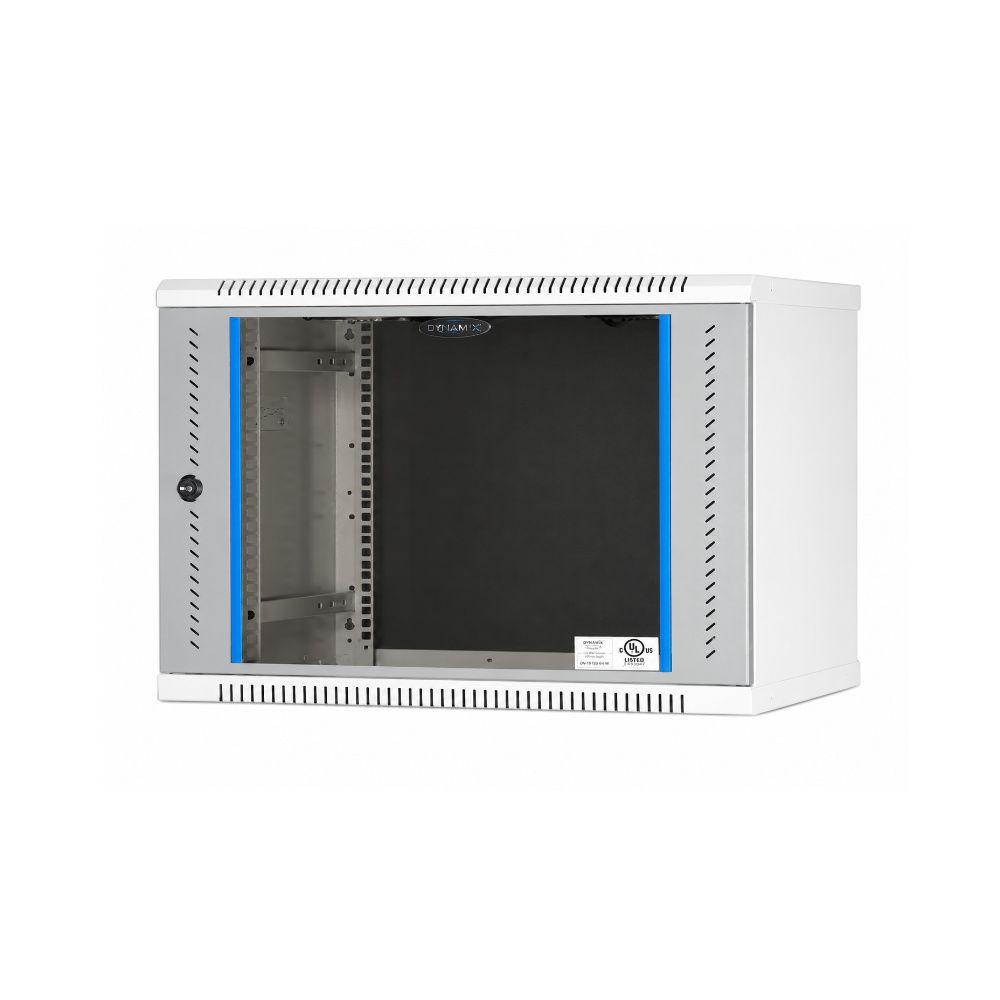
What Goes Into a Complete Fiber Link? The Full Parts List
A fiber quote that lists cable and nothing else covers one link in a chain of seven. Every stage, what it does, and the one that is left off most often.
Read guideLC or SC Connectors: Which Should Your Fiber Use?
Two connector types, one practical difference, and one rule that matters more than the choice itself — pick one and keep it the same at every point in the link.
Read guideSingle-Mode or Multimode Fiber: Which Does Your Link Need?
The choice is decided by distance and by what the transceivers at each end can do, not by which cable costs less. Where each belongs, and the mismatch that leaves a new link dark.
Read guideFrequently Asked Questions
Do you supply LIU (fiber patch panel) boxes in Chennai?
We supply SC-SC and LC-LC fiber patch cords directly; for LIU boxes and other fiber accessories, contact our team with your project details and we'll source and quote the right option.
Can you handle end-to-end OFC (optical fiber cable) supply for a project?
Yes — we supply fiber patch cords and accessories and can advise on the full OFC requirement for your project in Chennai.
What is the difference between single-mode and multimode fiber?
Multimode has a wider core, 50 or 62.5 microns, and uses lower-cost optics — it suits links within a building or a compact campus. Single-mode has a 9 micron core and carries signal kilometres rather than hundreds of metres, which is why it is used between buildings. The two cannot be mixed within a link.
Should I use LC or SC fiber patch cords?
SC is the larger push-pull connector, still common on LIU panels and older equipment. LC is about half the size, which is why modern switch optics and high-density panels use it. Match the connector to the ports at each end, and use duplex cords for Ethernet links.
What does OM3 mean, and when should I use it over OM1?
OM3 is 50 micron laser-optimised multimode fiber rated for 10G to around 300 metres. OM1 is older 62.5 micron fiber with much more limited 10G reach. For any new backbone expected to carry 10G, OM3 or OM4 is the sensible specification.
What is an LIU used for?
An LIU, or light interface unit, is the rack-mounted enclosure where incoming fiber terminates. The fiber is spliced onto pigtails that present as connector ports on the front, and patch cords run from there to the switch. It protects the splices, controls bend radius and gives you a documented point for testing.
When should I use fiber instead of Cat6 cable?
When the run exceeds the 90 metre copper limit, when the route passes close to heavy electrical equipment, or when the link joins two separate buildings. Fiber is immune to electrical interference and avoids the earth-potential issues copper links between structures can create.
Do you supply fiber cable in bulk for infrastructure projects?
Yes. Share the route, distance, core count and connector type, or your BOQ, and we will quote the OFC cable, LIU, pigtails, adapters and patch cords together with GST invoicing.